THERMAL MANAGEMENT MATERIALS
Get more performance from every particle.
We nano-coat metal, ceramic and synthetic diamond powders so your interface, composite or printed part runs cooler, lighter and longer.
+30% → 10×
Thermal conductivity gain, by substrate · 10× is our target
−90%
Up to 90% less conductive metal for equal performance
10–200 nm
Coating thickness range
g → t/day
One continuous process, grams to tonnes
01 / WHY NOW
Power is rising. Heat is the opportunity.
Compute, electrification and defence platforms push more heat through the same space. Better thermal materials turn that challenge into performance.
AI and electronics
Less energy lost as heat means more compute per watt.
Lightweighting
Every gram saved goes back into payload, range or endurance.
Critical materials
Thin functional shells make finite metals go further, so you need less of them.
02 / HOW IT WORKS
A metal shell on every particle.
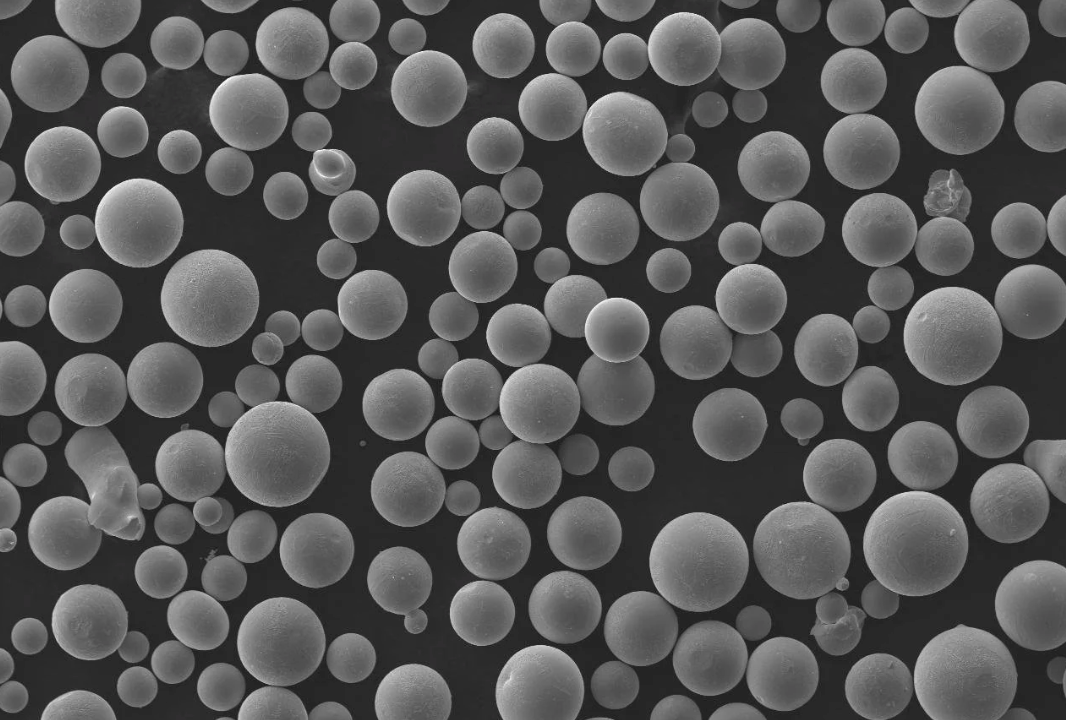
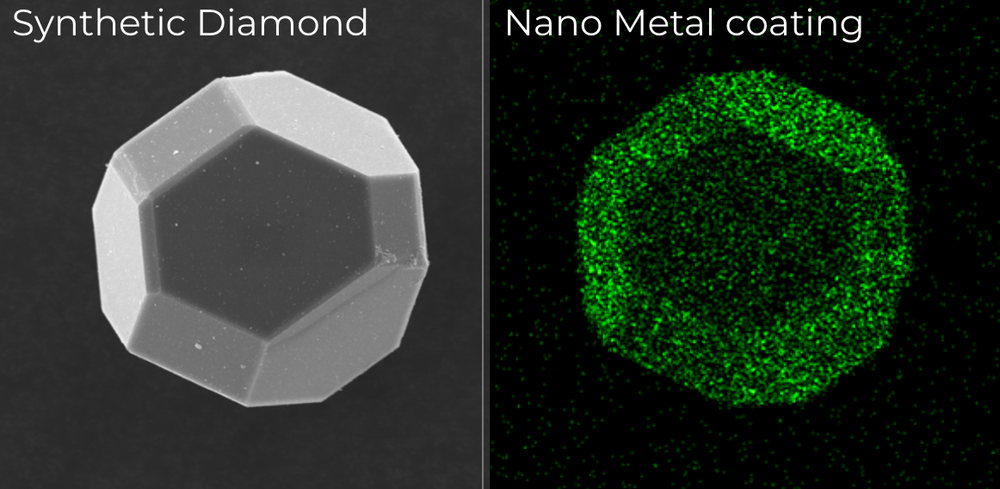
Thin oxide films on powder are common. Dense metal shells, tens to hundreds of nanometres thick, on every particle are not. STORM delivers them, so a thin shell does the work of far more material.
- STEP 1 → Powder in Your metal, ceramic or synthetic diamond powder, as supplied.
- STEP 2 → STORM Every particle coated, continuously, in one dry step.
- STEP 3 → Coated powder out Same handling, new surface. A drop-in material.
- STEP 4 Your part Interface material, composite, coating or printed part.
03 / WHAT CHANGES
Cooler running. Lighter parts. More compute.
Lower temperatures
Higher-conductivity fillers pull heat away from hotspots.
Lighter parts
Light cores with conductive shells replace solid metal fillers.
More compute
Cooler chips throttle less, so data centres get more compute from the same power.
04 / SCALE
One process, from grams to tonnes.
Our process is physics, not chemistry. No reactions to re-engineer as we scale, so POC results carry through to production.
- LIGHTNING < 10 g / batch Screening and coating recipe development. IN USE
- THUNDER < 1 kg / batch Customer samples and POC quantities. IN USE
- STORM kg / hour Pilot supply and qualification lots. IN USE
- TORNADO tonnes / day Volume production for programmes. ROADMAP
05 / APPLICATIONS
Made for thermal management. Ready for more.
ALSO POSSIBLE
Mechanical
Superalloy, ODS and novel alloy powders with higher tensile strength and maximum temperature.
Magnetic
Soft and hard magnetic powders, including rare-earth-free magnetic properties.
Battery
Coated NMC and LFP cathode powders.
COATING CHECK
Check a coating for your powder in two minutes.
Tell us your powder, coating and the property you want to improve. Get an indicative assessment, emailed to you, and a reply from our team.
FOUR QUESTIONS PER COMPOSITION
- 01What is the powder?Metal, ceramic, diamond or your own material
- 02What particle size?Choose a size band
- 03What coating?Up to five layers
- 04What should it improve?Thermal, mechanical, magnetic and more
Compare up to five compositions in one enquiry.
Start your coating checkEXAMPLE RESULT
| Thickness | Weight loading |
|---|---|
| 10 nm | 0.35–0.49 wt% |
| 25 nm | 0.88–1.22 wt% |
| 50 nm | 1.74–2.42 wt% |
| 100 nm | 3.42–4.73 wt% |
| 250 nm | 8.17–11.1 wt% |